MISTRYMAN REVIEWS / WATCH GUIDE
Why the Museum Scene in Dressed to Kill Is So Damn Good
Brian De Palma turns a trip to the museum into a lesson in suspense, desire and watching.
The cinematography in Dressed to Kill is top notch, but that museum sequence is the one that sticks. It is stylish, tense and playful all at once. Brian De Palma takes a simple encounter between two strangers and makes looking across a gallery feel like a whole thriller of its own.
A warning before we go in
This piece discusses the museum sequence and the film’s approach to suspense without explaining the ending. If you have not seen Dressed to Kill, it is worth going in with as little plot as possible. The joy is in letting De Palma lead you through a scene, then realising how much attention you have been paying to every glance.
 Dressed to Kill1980
THE MISTRYMAN TAKECinematography was top notch, some cool shots. Lots of Hitchcock influence . Also that museum sequence was an all timer Alfred freaky, origins before Gotham Officially spooky szn
Full film page ↗
The room becomes a game
Kate enters a museum and notices a stranger. What follows is not a conventional conversation. The two move through the galleries, catching glimpses of each other and disappearing around corners. A room full of people and paintings becomes a maze. Every new doorway offers another chance for them to meet, miss each other or misunderstand what the other person wants.
The camera does the talking
The best part is how much of the encounter works through movement. The camera follows, pauses and changes what we can see. Instead of explaining Kate’s thoughts, De Palma lets us read her expression and follow where she looks. The sequence invites us to scan the background with her. Is that him? Where did he go? It is a small game, but the film makes every turn matter.
Romance and suspense at the same time
The scene has a flirtatious energy, but it never becomes entirely comfortable. Kate’s interest gives the chase its momentum; the uncertainty keeps it tense. A thriller does not need a threat in every frame to make you lean forward. Sometimes all it needs is a question that refuses to be answered: will these two actually meet, and what happens if they do?
The Hitchcock connection
The Hitchcock influence is all over Dressed to Kill, especially in its interest in looking, desire and the gap between what a viewer sees and what a character knows. But the museum sequence is not just a spot-the-reference exercise. De Palma stretches a small interaction into an elaborate set piece, letting the pleasure of watching become part of the suspense. It has his own mix of polish, mischief and unease.
A little filmmaking detail
The story places the sequence at New York’s Metropolitan Museum of Art, but the gallery interiors were filmed at the Philadelphia Museum of Art. Criterion’s conversation with De Palma is a great follow-up if you want to hear the director discuss the sequence himself. Knowing the location is interesting; watching how the space controls the chase is even better.
The part that stays with you
Dressed to Kill has plenty of shocking moments, but this sequence shows why the film is more than its twists. The blocking, the glances and the camera are doing the work long before anyone needs to explain what is happening. It is an all-timer of a scene, and a reminder that suspense can be built from the simple act of following someone across a room.
Keep the De Palma streak going
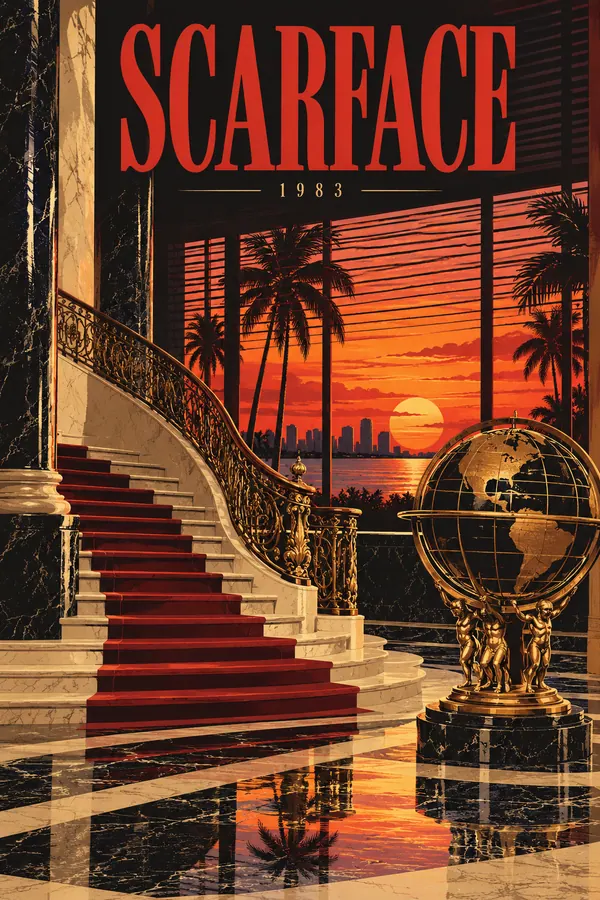
If you want another De Palma thriller, try Blow Out for a mystery built around listening rather than looking. Or switch gears to Scarface, where De Palma brings his visual flair to a sprawling crime story. Two very different ways to keep exploring his work.
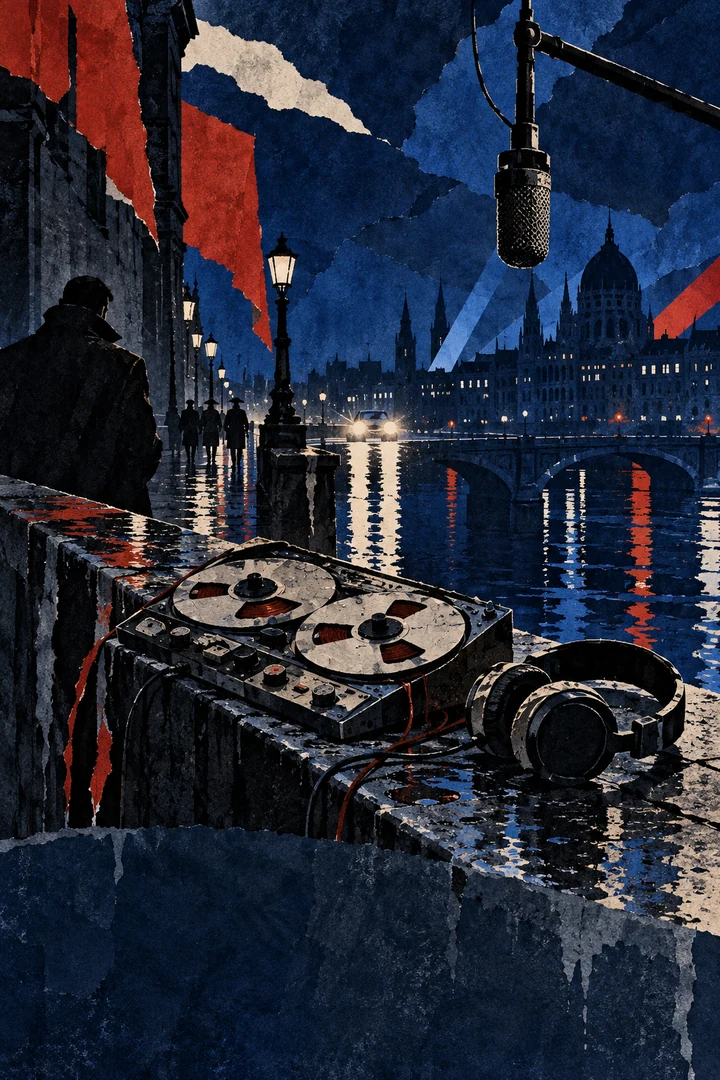 Blow Out1981
THE MISTRYMAN TAKESuch a cool, underrated De Palma movie. Sound design and impecible shots were on display. That firework scene wow wow wow. De Palma keeps the heaters going
Full film page ↗